Essential Guide to Choosing the Best Mountaineering Boots for Your Summit Success
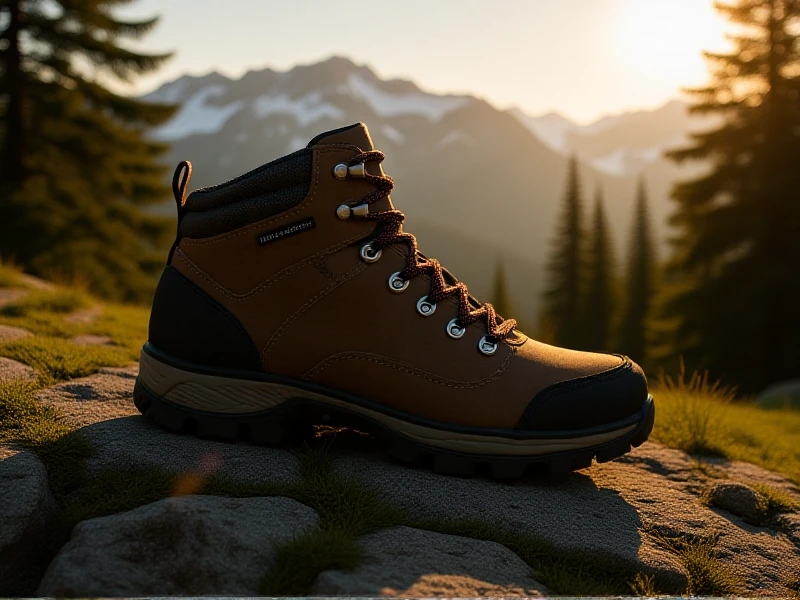
Reaching a mountain summit demands more than just physical strength; it requires gear you can rely on unquestionably. Your foundation – quite literally – starts with the right pair of Mountaineering Boots. Selecting boots that match your objective, terrain, and personal needs is paramount for safety, comfort, and overall success in harsh alpine environments.
Why Standard Hiking Boots Won't Suffice
Unlike trekking boots, dedicated mountaineering boots are engineered for extreme conditions. Key features include:
- Stiff Soles (Shaft & Midsole): Essential for secure crampon compatibility (typically requiring semi-rigid or rigid soles) and stability on steep, technical ice and rock. Proper crampon attachment is non-negotiable for glacier travel and icy ascents.
- Superior Insulation: Made with advanced materials like Thinsulate™, PrimaLoft™, or even closed-cell foam, these boots combat sub-zero temperatures encountered at high altitude or on winter climbs. Insulation levels range from single to double or even triple boots for the harshest expeditions.
- Weatherproof Construction: Bombproof waterproofing (e.g., Gore-Tex® liners) and durable outer leather or synthetic materials shield your feet from snow, ice melt, and relentless moisture. Seam-sealed construction is vital.
- Ankle Support & Durability: High-cut cuffs provide crucial support for uneven terrain and carrying heavy packs. Tough uppers resist abrasion from rocks and sharp crampons.
- Lacing Systems: Precise lacing systems secure the ankle and heel immovably and allow tightness adjustments over different parts of the foot for optimal control. Boa® systems or multiple traditional lace zones are common.
Choosing Your Perfect Climbing Partner: Key Considerations
- Intended Use: Match the boot to your objective. Are you tackling winter ascents like Mt. Shasta or Rainier? A technical rock/ice hybrid route? Or high-altitude expeditions? Single boots suit moderate conditions; double boots (plastic or modern insulated synthetic) are essential for serious cold and altitude. Consider hybrid single boots with removable liners like the Scarpa Phantom Tech or La Sportiva G2 SM.
- Crampon Compatibility: Ensure the boot's sole stiffness (B0-B3 rating) matches your crampon type (typically requiring B2 or B3 boots for technical mountaineering and ice climbing).
- Fit is Everything: This is critical. Your heel must lock down without slippage, toes should wiggle slightly when kick-stepping, but overall feel secure without pressure points. Shop in the afternoon with your intended climbing socks. Consider trying multiple brands (e.g., La Sportiva, Scarpa, Asolo, Mammut, Hanwag).
- Warmth vs. Weight: High-altitude mountaineering boots prioritize warmth over weight. For drier, technical summer ascents, lighter weight, well-ventilated technical synthetic boots may suffice. Always prioritize safety; frostbite is a real risk.
Top Tips Before You Buy
- Try Before You Commit: Never purchase your first pair of mountaineering boots online without expert fitting. Visit a reputable outdoor store.
- Break Them In: Wear your new boots extensively at home and on moderate terrain before a major climb to prevent debilitating blisters.
- Proper Socks: Use dedicated, well-fitted mountaineering socks. Avoid thick cotton.
- Boot Care: Clean, dry thoroughly after use, and re-waterproof regularly. Store in a cool, dry place.
Investing in the best Mountaineering Boots tailored to your specific adventures isn't just about comfort; it's fundamental to climbing safely and effectively. Protect your foundation, conquer the terrain, and let your reliable boots carry you to the heights. Research thoroughly, prioritize fit and functionality, and your feet will thank you summit after summit.