The Ultimate Guide to Choosing Your Perfect Hiking Shoes
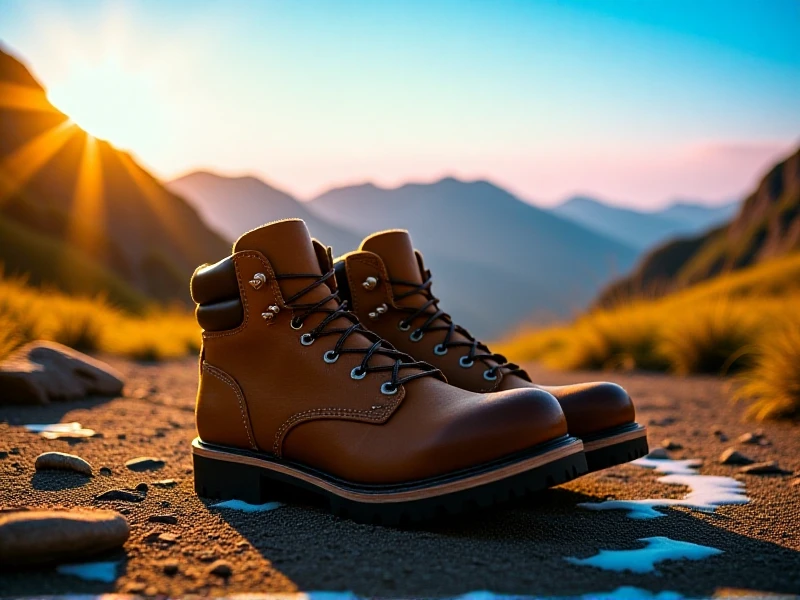
Embarking on a hiking adventure promises stunning views and a rejuvenating escape. But one crucial element can make or break your experience: your footwear. Investing in the right pair of hiking shoes is paramount for comfort, safety, and truly enjoying the trail. Forget blisters, rolled ankles, and aching feet – the perfect hiking boots or trail runners are your foundation for exploration.
First, understand the terrain and your goals. Are you tackling rugged mountain paths, gentle woodland trails, or potentially wet, muddy conditions? This determines the ideal style:
- Hiking Shoes: Ideal for well-maintained trails, day hikes with light packs, and warmer weather. They offer more flexibility and breathability than boots, often feeling closer to sturdy sneakers. A great introductory option.
- Hiking Boots: The versatile choice for most situations. They provide significant ankle support essential for uneven terrain, heavier backpacks, and multi-day treks. Look for mid-cut or high-cut boots depending on your ankle stability needs. Waterproof hiking boots are invaluable for crossing streams or hiking in damp climates.
- Trail Runners: Best for experienced, fast-moving hikers on maintained trails. They are incredibly lightweight and breathable but offer minimal ankle support or protection from rugged roots and rocks. Ideal for speed over rough protection.
Key Features to Demand in Quality Hiking Shoes:
- Fit & Comfort: This is non-negotiable. Always try hiking shoes on in the afternoon when feet swell, wear your intended hiking socks, and ensure ample toe room (about a thumbnail's width). Walk around the store, especially on an incline/decline simulator if available. Blisters are the fastest way to ruin a hike.
- Support & Stability: Look for a secure heel cup, adequate midfoot hold, and robust midsoles that cushion impact and prevent excessive flexing. Good ankle support (hiking boots) prevents twists on uneven ground.
- Traction: Aggressive lugs on the outsole are crucial. Vibram® soles are renowned, but many brands like Merrell, Salomon, and Keen offer excellent proprietary grip patterns. This provides purchase on slippery surfaces, mud, loose gravel, and wet rocks.
- Protection & Durability: Features like reinforced toe caps (banging rocks is common!), rock plates in the midsole (protecting feet from sharp objects), and durable, abrasion-resistant uppers (synthetic, leather, or a blend) ensure your hiking shoes or boots last.
- Water Management: Decide between breathable, quick-drying mesh (great for heat/dry conditions) or waterproof membranes like Gore-Tex® hiking boots/shoes (essential for wet/muddy/snowy trails). Remember, waterproof also means less breathable.
Beyond the Purchase:
- Break Them In: Never hit the trail with brand-new hiking boots. Wear them extensively around town or on short walks first. This molds the materials to your foot and prevents painful hot spots.
- Proper Socks: Invest in quality moisture-wicking merino wool or synthetic hiking socks that fit well with your chosen footgear. Avoid cotton!
- Care & Maintenance: Clean mud off after hikes and let your hiking shoes dry naturally away from direct heat. Reapply waterproofing treatments periodically according to the manufacturer's instructions to maintain performance.
Choosing the right hiking shoes is one of the most important gear decisions you'll make. Assess your needs, prioritize fit and support, and invest wisely. Your feet (and your entire hiking experience) will thank you on every mile of your next adventure! Lace up and discover more.