Choosing Mountaineering Boots: A Guide to Safe Summit Success
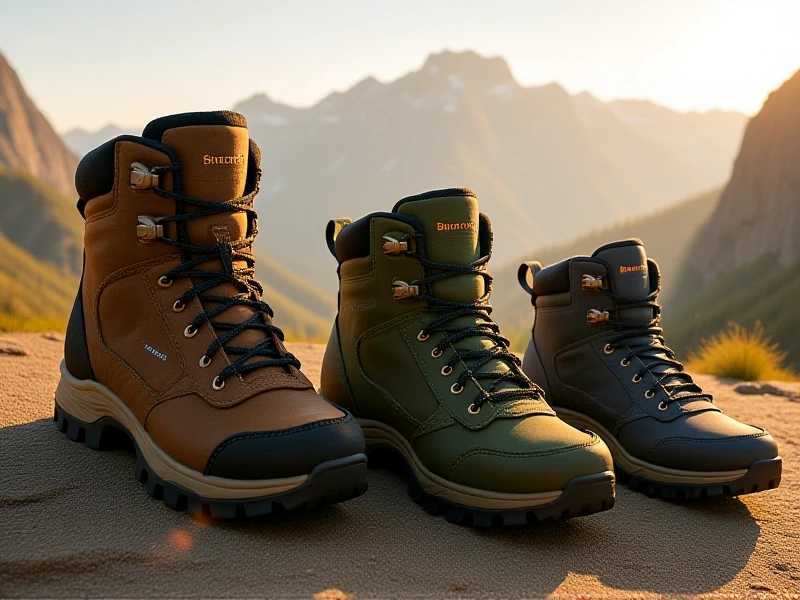
When tackling rugged peaks, your boots are your lifeline. Mountaineering boots bridge survival and summit glory, demanding meticulous selection. Unlike hiking shoes, they must conquer ice, scree, and thin air while protecting feet from sub-zero temperatures. Here’s how to choose wisely.
1. Prioritize Insulation & Warmth
For alpine or ice climbing, temperature ratings matter. Double boots (like La Sportiva G2 SM) pair inner insulating layers with rigid outsoles for cold extremes (-40°F). Single boots (e.g., Scarpa Mont Blanc) suffice for moderate conditions. Never compromise warmth—frostbite risks escalate above 10,000 feet.
2. Support and Stability Are Non-Negotiable
Vertical terrain requires stiff midsoles that minimize ankle roll. Look for high-cut designs supporting talus bones, coupled with Vibram® Megagrip outsoles. B3-rated crampon compatibility is essential for glacier travel—ensure heel/toe welts securely grip semi-automatic crampons.
3. Waterproofing Without Compromise
GORE-TEX or similar membranes prevent saturation from snowmelt and streams. Seam-sealed construction (tested via immersion) paired with hydrophobic leather (like those in Lowa Civetta GTX) keeps feet dry during prolonged exposure. Remember—damp feet accelerate heat loss dangerously.
4. Fit Like Your Life Depends on It (Because It Does)
Never buy online without sizing specialists. Feet swell at altitude; size up 0.5-1.5 sizes. Test with mountaineering socks: toes shouldn’t jam forward during descents. Ensure no heel slippage—blisters sabotage progress. Break boots in on lower-elevation hikes pre-expedition.
Durability & Aftercare
Reinforced toe caps and abrasion-resistant panels extend boot life. Post-climb, clean mud with a soft brush and air-dry naturally—never place near heaters. Reproof leather annually with wax-based conditioners to maintain water resistance.
Final Considerations
Pair boots with gaiters to repel debris. Heavy models (over 4 lbs/pair) increase fatigue—balance weight against route demands. Investing in quality boots isn’t optional; it’s insurance against the mountain’s unpredictability. Equip right, climb smart, and let summits—not blisters—define your journey.
( 395)